



Business Africa

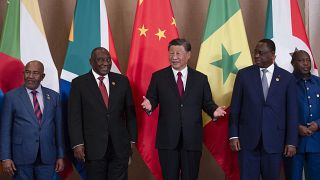
Since 2013, China's Belt and Road Initiative (BRI) has helped bankroll a boom in African infrastructure, allowing credit-starved countries to build railways, hydropower projects, roads, airports and communications.
The initiative also led to a surge in Chinese investment in areas such as manufacturing, mining and agriculture.
The program has made Beijing the biggest financier of infrastructure in Africa.
But a decade down the road, some observers say the Belt and Road Initiative may be losing steam as Beijing becomes more averse to risk and as the domestic economy struggles to return to pre-pandemic growth levels.
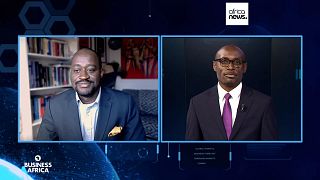
Our guest this week is Kanyi Lui, a partner and head of China at Pinsent Masons.
Kanyi has decades of experience in international project finance and has provided legal services to several Belt and Road projects around the world.
Senegal: Businesses hope for political stability
Nearly every business lost something during the political unrest in Senegal in early June. The damage to the west African country's economic output was estimated at $33 million per day.
With President Macky Sall's announcement that he won't be seeking re-election next year, businesses are hoping to rebuild and to flourish.
Nigeria inflation accelerates in June
Nigeria's inflation has not eased since the beginning of 2023. Prices continued to climb in June, following the end of a fuel subsidy in May.
Inflation has been in double-digits in Africa's biggest economy since 2016, eroding savings and incomes.


11:16
Tanzania eyes East Africa’s pharmaceutical hub crown {Business Africa}
01:41
Mozambique expects death toll to rise as search for flood survivors continues
11:17
Eco-charcoal gains traction as a cleaner, cheaper alternative to firewood {Business Africa}
01:00
Another crane collapse near Bangkok raises safety concerns in Thailand
01:00
Crane falls on train in Thailand, killing at least 30 and injuring dozens more
00:51
Nigeria to revise inflation reporting after artificial spike expected in December